
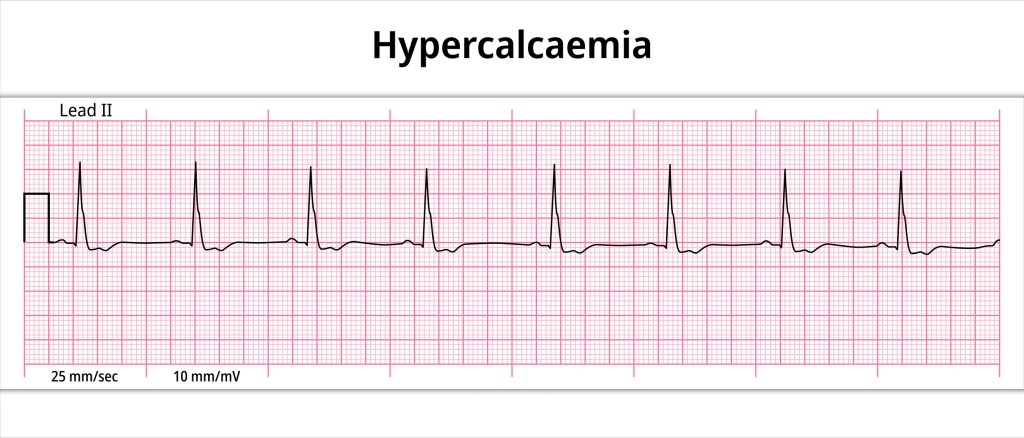
HYPERCALCEMIA

Hypercalcemia happens when you have higher-than-normal levels of calcium in your blood. It’s usually caused by primary hyperparathyroidism or certain cancers and is treatable with surgery and/or medication.

What is hypercalcemia?

Hypercalcemia happens when you have higher-than-normal levels of calcium in your blood. Hypercalcemia can be mild or severe and temporary or chronic (lifelong).

Calcium is one of the most important and common minerals in your body. Most of your body’s calcium is stored in your bones, but you need calcium in your blood as well. The calcium in your blood helps:

  • Your nerves work.
  • Make your muscles squeeze together so you can move.
  • Your blood clot if you’re bleeding.
  • Your heart work properly.

Two hormones called parathyroid hormone and calcitonin control the levels of calcium in your blood and bones. Vitamin D also plays an important role in maintaining calcium levels because your body needs it to absorb calcium from the food you eat.

Your body normally carefully controls the level of calcium in your blood, but certain medications and conditions can result in high blood calcium levels (hypercalcemia).

What is the difference between hypocalcemia and hypercalcemia?

Hypercalcemia and hypocalcemia are medical conditions that both have to do with the amount of calcium in your blood — the difference is how much.

In the medical world, the prefix “hyper-” means “high” or “too much.” Hypercalcemia means you have higher-than-normal calcium in your blood.

The prefix “hypo-” means “low” or “not enough.” Hypocalcemia means you have lower-than-normal levels of calcium in your blood.

Who does hypercalcemia affect?

Hypercalcemia can affect anyone at any age, but it’s most common in females over age 50 (after menopause). In most cases, this is due to an overactive parathyroid gland.

How common is hypercalcemia?

Hypercalcemia affects approximately 1% to 2% of the general population. Most of the cases — about 90% — are due to primary hyperparathyroidism and cancer-related hypercalcemia (hypercalcemia of malignancy).

Is hypercalcemia life-threatening?

Most cases of hypercalcemia aren’t life-threatening and many people don’t have any symptoms. Healthcare providers often catch it early from routine blood tests.

But severe hypercalcemia can cause more serious problems, including:

What are the symptoms of hypercalcemia?

Since healthcare provider often discover hypercalcemia in its early stage, most people don’t have symptoms.

More severe and/or long-term cases of hypercalcemia may cause the following symptoms:

  • More frequent urination and thirst.
  • Fatigue.
  • Bone pain.
  • Headaches.
  • Nausea and vomiting.
  • Constipation.
  • Decrease in appetite.
  • Forgetfulness, depression or irritability.
  • Muscle aches, weakness, cramping and/or twitches.

What causes hypercalcemia?

More than 25 separate diseases, several medications and even dehydration can cause hypercalcemia. Primary hyperparathyroidism and various kinds of cancers account for the greatest percentage of all people with hypercalcemia.

Primary hyperparathyroidism and hypercalcemia

In primary hyperparathyroidism, one or more of your four parathyroid glands produce too much parathyroid hormone — the hormone responsible for controlling blood calcium levels.

Your parathyroid glands are located behind your thyroid gland in your neck. Normally, they work with your kidneys, bones and intestines to carefully regulate the level of blood calcium. But sometimes a parathyroid gland becomes overactive, resulting in excess parathyroid hormone release and elevated blood calcium levels.

Cancers that can cause hypercalcemia

About 2% of all cancers are associated with hypercalcemia, and cancer-related hypercalcemia cases (also called hypercalcemia of malignancy) often have a rapid onset and are severe. Certain types of cancer that can cause hypercalcemia include:

Medications that can cause hypercalcemia

Common medications and supplements that can cause hypercalcemia include:

Taking too much calcium carbonate in the form of Tums® or Rolaids® is actually one of the more common temporary causes of hypercalcemia.

Other causes of hypercalcemia

Other less common causes of hypercalcemia include:

How is hypercalcemia diagnosed?

Hypercalcemia is a fairly common finding on routine blood tests such as a comprehensive metabolic panel (CMP) or basic metabolic panel (BMP), which include a calcium blood test. These tests allow healthcare providers to detect abnormally high calcium levels early.

The following blood calcium levels indicate different levels of diagnosis and severity of hypercalcemia:

  • Mild hypercalcemia: 10.5 to 11.9 milligrams per deciliter (mg/dL).
  • Moderate hypercalcemia: 12.0 to 13.9 mg/dL.
  • Hypercalcemic crisis (a medical emergency): 14.0 to 16.0 mg/dL.

If you have symptoms of hypercalcemia or are at risk for developing hypercalcemia due to having a certain kind of cancer, your provider will order different blood tests to determine if you have hypercalcemia. If your blood calcium level is elevated, your provider will review your medications and medical history and conduct a physical exam.

If there’s no obvious cause to your elevated levels, your provider may ask you to see an endocrinologist, a provider who specializes in hormone-related conditions, who will provide further evaluation and testing.

What tests will be done to diagnose this condition?

Your healthcare provider may order any of the following tests to help diagnose hypercalcemia and its cause:

  • Calcium blood test.
  • Parathyroid hormone (PTH) blood test.
  • PTH-related protein (PTHrP) blood test.
  • Vitamin D blood test.
  • Calcium urine test.

If your provider suspects primary hyperparathyroidism is causing hypercalcemia, they’ll likely recommend an imaging test to see if there are any growths on your parathyroid gland(s) or if they’re enlarged. Different imaging tests for this purpose include:

How is hypercalcemia treated?

Treatment of hypercalcemia depends on what’s causing it and how severe it is. In mild cases of hypercalcemia, your healthcare provider may tell you to:

  • Drink more water.
  • Switch to a non-thiazide diuretic or blood pressure medication.
  • Stop taking or lower your dose of calcium-rich antacid tablets.
  • Stop taking or lower your dose of calcium supplements and calcium-containing supplements, such as multivitamins.

If the hypercalcemia is due to an overactive parathyroid gland, your provider will most likely recommend surgery to have the overactive parathyroid gland(s) removed.

If the hypercalcemia is due to cancer, your provider may suggest any of the following medications:

  • Bisphosphonates, such as pamidronate and zoledronic acid.
  • Denosumab (XGEVA®), a bone-strengthening medication, for people with cancer-caused hypercalcemia who don’t respond to bisphosphonates.

If the hypercalcemia is severe, and/or causing significant symptoms, your provider may recommend immediate hospitalization for IV fluids and other treatments.

What is the prognosis (outlook) for hypercalcemia?

Prognosis, like treatment, depends on the cause and severity of hypercalcemia. When hypercalcemia happens due to a benign condition or temporary situation, it generally has a good prognosis.

People who have hypercalcemia due to cancer often experience symptoms and require frequent hospitalizations.

What are the complications of hypercalcemia?

Complications of long-term hypercalcemia are rare since calcium levels are checked in routine blood panels and healthcare providers usually catch hypercalcemia early, but complications can include:

  • Calcium deposits in your kidney (nephrocalcinosis) that cause poor kidney function.
  • Kidney failure.
  • Kidney stones.
  • High blood pressure (hypertension).
  • Depression.
  • Bone cysts.
  • Bone fractures.
  • Osteoporosis.

How can I prevent hypercalcemia?

Not all cases of hypercalcemia can be prevented, but avoiding excess intake of calcium pills and calcium-based antacid tablets can help.

Be sure to talk with your healthcare provider if you have a family history of high calcium, kidney stones or parathyroid conditions. Avoid taking dietary supplements, vitamins or minerals without first discussing them with your provider.

When should I see my healthcare provider about hypercalcemia?

If you have a family history of hypercalcemia and/or hyperparathyroidism, talk to your healthcare provider about your risk for developing hypercalcemia.

If you’re experiencing symptoms of hypercalcemia, contact your healthcare provider.

A note from QBan Health Care Services

Getting a new diagnosis can be stressful. Know that hypercalcemia is treatable and that symptoms usually go away once your calcium levels are back to normal. If you have cancer that can cause hypercalcemia, your provider will likely want to regularly monitor your blood calcium levels. Don’t be afraid to ask your healthcare team questions about hypercalcemia and its management.

HYPOCALCEMIA

Hypocalcemia happens when the level of calcium in your blood (not your bones) is too low. Several different health conditions can cause hypocalcemia. The symptoms of hypocalcemia depend on how mild or severe it is. It is treatable and can last for a short time or be chronic depending on the cause.

What is hypocalcemia?

Hypocalcemia is a treatable condition that happens when the levels of calcium in your blood are too low.

Many different health conditions can cause hypocalcemia, and it’s often caused by abnormal levels of parathyroid hormone (PTH) or vitamin D in your body. Hypocalcemia can be mild or severe and temporary or chronic (lifelong).

What is calcium and what does it do?

Calcium is one of the most important and common minerals in your body. Most of your body’s calcium is stored in your bones, but calcium is needed in your blood as well.

The calcium in your blood helps your nerves work, helps make your muscles squeeze together so you can move, helps your blood clot if you are bleeding and helps your heart work properly. A low level of calcium in your blood (hypocalcemia) can hinder your body’s ability to perform these important functions. You also need calcium in your bones to make them strong.

If you don’t consume enough calcium in your diet, your body takes calcium from your bones to use in your blood, which can weaken your bones. Hypocalcemia happens when there are low levels of calcium in your blood, not your bones.

The levels of calcium in your blood and bones are controlled by two hormones called parathyroid hormone and calcitonin. Vitamin D also plays an important role in maintaining calcium levels because it’s needed for your body to absorb calcium.

Who gets hypocalcemia?

Hypocalcemia can affect people of all ages, including infants. The age at which someone could develop hypocalcemia usually depends on the cause. For example, if an infant has hypocalcemia, it’s often because of a genetic disorder.

How common is hypocalcemia?

Healthcare professionals and researchers have not yet determined how common hypocalcemia is. This is likely because hypocalcemia is usually a side effect of other health issues.

Hypocalcemia is a common side effect of having your thyroid removed (thyroidectomy). Approximately 7% to 49% of people have temporary hypocalcemia after thyroidectomy.

What are the symptoms of hypocalcemia?

People who have mild hypocalcemia often have no symptoms (are asymptomatic). The symptoms of hypocalcemia depend on if it’s mild or severe.

Symptoms of mild hypocalcemia can include:

If left untreated, over time hypocalcemia can cause neurologic (affecting the nervous system) or psychologic (affecting the mind) symptoms, including:

Severe hypocalcemia (very low levels of calcium in your blood) can cause the following symptoms:

What causes hypocalcemia?

There are many complex functions and factors involved with maintaining a steady level of calcium in your blood and body. Because of this, several different health conditions and disorders can cause hypocalcemia.

Most of the time, an issue with your parathyroid hormone (PTH) levels and/or vitamin D level(s) is involved with the cause of hypocalcemia. This is because PTH helps control the level of calcium in your blood and vitamin D helps your body absorb calcium.

The three most common causes of hypocalcemia include:

  • Hypoparathyroidism: Hypoparathyroidism happens when your parathyroid glands (four small pea-sized glands behind your thyroid in your neck) don’t make enough parathyroid hormone (PTH). Low levels of PTH cause low levels of calcium in your body. You can have hypoparathyroidism from an inherited disorder or from having one or more of your parathyroid glands or your thyroid gland surgically removed.
  • Vitamin D deficiency: Vitamin D helps your body absorb calcium properly, so a lack of vitamin D in the body can cause low levels of calcium in your blood (hypocalcemia). Vitamin D deficiency can be caused by an inherited disorder or by not getting enough sunlight or not consuming enough vitamin D.
  • Kidney failure (renal failure): Hypocalcemia in chronic renal failure is due to an increased level of phosphorus in your blood and decreased renal production of a certain kind of vitamin D.

Other causes of hypocalcemia include:

  • Certain medications: Bisphosphonates, corticosteroids, rifampin, calcitonin, chloroquine, cinacalcet, Denosumab, Foscarnet and plicamycin can all cause hypocalcemia.
  • Pseudohypoparathyroidism: This is an inherited disorder that causes your body to not respond properly to the normal amount of parathyroid hormone (PTH) it has. Your body acts like it doesn’t have enough PTH when it actually has normal levels of PTH.
  • Hypomagnesemia: Your parathyroid glands need magnesium to make and release parathyroid hormone (PTH), so when your magnesium is too low (hypomagnesemia), not enough PTH is produced and blood calcium levels are also lower (hypocalcemia).
  • Pancreatitis: Approximately 15% to 88% of people who have acute pancreatitis will have hypocalcemia.
  • Certain rare genetic disorders: Genetic mutations, such as DiGeorge syndrome, can cause hypocalcemia.

How is hypocalcemia diagnosed?

You have hypocalcemia if your total serum (blood) calcium concentration is less than 8.8 mg/dL. Your healthcare provider may find mild hypocalcemia incidentally (by chance) from routine blood tests or by testing for other conditions.

What tests will be done to diagnose the cause of hypocalcemia?

Healthcare providers use a calcium concentration blood test to diagnose hypocalcemia. Figuring out and diagnosing the cause of hypocalcemia is just as important as diagnosing the hypocalcemia itself.

Your healthcare provider may perform the following tests or procedures to try to determine the cause of your hypocalcemia or to be sure your hypocalcemia isn’t affecting other parts of your body:

  • Other blood tests: Your healthcare provider may do more blood tests to check your levels of magnesium, phosphorus, parathyroid hormone (PTH) and/or vitamin D.
  • EKG (electrocardiogram): An EKG is a procedure that uses electrodes attached to your chest to measure your heart rhythm. Hypocalcemia can cause an abnormal heart rhythm.
  • Bone imaging tests: Bone imaging tests could be used to see if you have calcium issues in your bones, such as osteomalacia or rickets.

How is hypocalcemia treated?

Oral calcium supplements are the most common treatment for hypocalcemia. Treating the cause of hypocalcemia is just as important as treating the hypocalcemia itself. If you’re taking a medication that is causing your hypocalcemia, your healthcare provider may change it or adjust it in order to return your calcium levels to normal.

What medications and treatments are used for hypocalcemia?

The following treatments and medications are often used for hypocalcemia:

  • Oral calcium pills: Calcium pills or supplements may be used to restore your calcium to normal levels.
  • Vitamin D supplement: People who have chronic hypocalcemia often take a vitamin D supplement along with calcium pills so that their bodies can properly absorb the calcium.
  • Synthetic form of parathyroid hormone (PTH): If you have hypoparathyroidism that is causing hypocalcemia, your healthcare provider may have you take a synthetic form of PTH.
  • IV calcium gluconate: If your hypocalcemia is severe and you are experiencing muscle cramps or spasms (tetany), you may receive an IV of calcium gluconate in the hospital.
  • Other medications: Depending on the cause of your hypocalcemia, you may have to take other medications to treat/and or manage the cause.

What is the prognosis (outlook) for hypocalcemia?

Hypocalcemia is a treatable condition. Symptoms of hypocalcemia usually go away once your calcium levels are back to normal. If left untreated, severe hypocalcemia can cause life-threatening complications such as seizures and congestive heart failure. Be sure to contact your healthcare provider if you’re experiencing symptoms and go to the nearest hospital if you are experiencing severe symptoms.

How long will I have hypocalcemia?

Depending on the cause, you could have temporary or chronic (lifelong) hypocalcemia. Ask your healthcare provider how long you can expect to have hypocalcemia and how long you’ll have to take medication.

Can I die from hypocalcemia?

Hypocalcemia can be potentially life-threatening if it’s not diagnosed and treated in time. Be sure to contact your healthcare provider if you’re experiencing symptoms.

What are the risk factors for hypocalcemia?

Risk factors for developing hypocalcemia can include having:

  • Vitamin D deficiency.
  • A parathyroid disorder or parathyroid gland surgery.
  • Thyroid removal surgery (thyroidectomy).
  • A family history of genetic conditions such as certain genetic mutations, genetic vitamin D disorder or DiGeorge syndrome.

Can I prevent hypocalcemia?

Unfortunately, there’s nothing you can do to prevent hypocalcemia. Although it may seem that eating and drinking more calcium could prevent hypocalcemia, a lack of calcium in your diet usually doesn’t affect the amount of calcium in your blood. Maintaining adequate calcium intake, however, is important for bone health.

When should I see my healthcare provider?

Be sure to contact your healthcare provider if you’re experiencing symptoms of hypocalcemia. If you have chronic hypocalcemia, it’s important to see your healthcare provider regularly so that you can be sure your calcium levels are healthy and that your treatment is working.

What questions should I ask my doctor if I have hypocalcemia?

If you’ve been diagnosed with hypocalcemia, it may be helpful to ask your healthcare provider the following questions:

  • What caused my hypocalcemia?
  • How long will I have hypocalcemia?
  • How long will I have to take medication for my hypocalcemia?
  • When will my symptoms go away once I start my medication for hypocalcemia?
  • Are my children or family members at risk of developing hypocalcemia?

A note from QBan Health Care Services

Getting a diagnosis can be scary. Know that hypocalcemia is treatable and that symptoms usually go away once your calcium levels are back to normal with treatment. Don’t be afraid to ask your healthcare team questions about your hypocalcemia and its management.

PITUITARY ADENOMAS

Pituitary adenomas are benign tumors on your pituitary gland. They’re noncancerous, but they can interfere with normal pituitary function and cause certain health conditions. Healthcare providers treat pituitary adenomas with surgery, medication, radiation or a combination of these therapies.

What is a pituitary adenoma?

A pituitary adenoma is a benign (noncancerous) growth on your pituitary gland. Unlike cancer, it doesn’t spread to other parts of your body. But as pituitary adenomas grow, they can put pressure on nearby structures and cause symptoms.

What is the pituitary gland?

Your pituitary is a small gland about the size of a pea that’s joined to your hypothalamus (the base of your brain) right behind your nose. It has two lobes: the anterior (front) lobe and the posterior (back) lobe. Each lobe releases different hormones.

Hormones are chemicals that coordinate different functions in your body by carrying messages through your blood to your organs, muscles and other tissues.

Your pituitary gland releases several important hormones, including:

Your pituitary gland also tells other endocrine system glands to release hormones. Of note, pituitary adenomas can affect the production and release of a single hormone or a combination of hormones.

Healthcare providers categorize pituitary adenomas based on whether or not they produce extra hormones.

  • Functioning (secreting) adenomas: These adenomas release extra pituitary hormones, which cause certain symptoms and/or conditions depending on the hormone it releases.
  • Nonfunctioning (non-secreting) adenomas: These adenomas don’t release hormones, but they can compress nearby structures if they grow (see below). The most common adenomas most healthcare providers diagnose are nonfunctioning pituitary adenomas.

Healthcare providers also categorize pituitary adenomas based on their size:

Microadenomas: These adenomas are smaller than 10 millimeters or 1 centimeter.

Macroadenomas: These adenomas are larger than 10 millimeters. Macroadenomas are twice as common compared to microadenomas. They’re also more likely to cause lower than normal levels of one or more pituitary hormones. This is known as hypopituitarism.

Is a pituitary adenoma a brain tumor?

Even though your pituitary gland is an endocrine structure that’s not technically a part of your brain (it’s actually attached to your brain), healthcare providers consider pituitary adenomas brain tumors. They represent about 10% of primary brain tumors.

Who do pituitary adenomas affect?

Pituitary adenomas can occur at any age but are more common in people in their 30s or 40s. Women are more likely to have pituitary adenomas.

How common are pituitary adenomas?

Pituitary adenomas make up 10% to 15% of all tumors that develop within your skull. About 77 out of 100,000 people have a pituitary adenoma, but researchers think adenomas actually occur in as many as 20% of people at some point in their lives. As many people with pituitary adenomas, especially microadenomas, are asymptomatic, they’re usually never found.

What are the symptoms of a pituitary adenoma?

The symptoms of pituitary adenomas can vary widely depending on several factors, including:

  • If it’s large enough to damage your pituitary gland or nearby structures (mass effect).
  • If it’s a functioning (hormone secreting) pituitary adenoma with symptoms based on the type of hormone it secretes.

Pituitary macroadenomas typically present with mass effects — meaning their large size can apply pressure to or damage nearby tissues, causing compressive symptoms, including:

Vision problems

Approximated 40% to 60% of people with a pituitary macroadenoma have impaired vision (blurry or double vision) from the adenoma. The adenoma compresses your optic chiasm, leading to visual field defects like the loss of peripheral vision (side vision).

Headaches

People with pituitary adenomas often report having headaches. This could be due to pressure on nearby tissues, but as headaches are a common symptom in general, people could have them for other reasons as well.

Hormonal deficiency

Pituitary macroadenomas can cause one or more pituitary hormone deficiencies due to damage to your pituitary gland tissue. This can result in an underactive pituitary gland, also known as hypopituitarism.

Each pituitary hormone deficiency causes different symptoms.

  • A deficiency of LH and FSH hormones leads to low testosterone (LH) and estrogen (FSH), a condition known as hypogonadism. Symptoms of hypogonadism include hot flashes and vaginal dryness, erectile dysfunction and decreased facial/body hair growth in men,, mood swings, decreased libido/sex drive and fatigue.
  • A deficiency of TSH results in low thyroid hormone production, a condition known as hypothyroidism. Symptoms of hypothyroidism include fatigue, constipation, slow heart rate, dry skin, swelling of extremities and diminished reflexes.
  • A deficiency of ACTH means you don’t produce as much cortisol, a condition known as adrenal insufficiency. Symptoms of adrenal insufficiency include low blood pressure, nausea, vomiting, abdominal pain and poor appetite.
  • A deficiency of GH results in low growth hormone production, also known as growth hormone deficiency. You’ll have different symptoms depending on how old you are. In adults, a lack of GH results in fatigue and decreased muscle mass.

What symptoms do functioning pituitary adenomas cause?

A functioning, or secreting, pituitary adenoma releases excess hormone(s). Functioning pituitary adenomas can cause several different symptoms depending on which pituitary hormone(s) they release.

As your body normally regulates the hormone levels in your body for optimum health, extra pituitary hormones from a functioning adenoma can lead to the following conditions:

Prolactinomas (lactotroph adenomas)

Prolactinomas (lactotroph adenomas) make excess prolactin, a condition known as hyperprolactinemia. Prolactinomas account for about 4 out of 10 pituitary tumors. They’re the most common type of pituitary adenoma.

High prolactin levels can disrupt normal reproductive functions by interfering with hormones produced by your testicles or ovaries. Symptoms include:

  • Male and female infertility.
  • Milky discharge from your nipples when not pregnant, which is known as (galactorrhea).

Somatotroph adenomas

Somatotroph adenomas make excess growth hormone (also known as somatotropin) and make up about 2 in 10 pituitary tumors.

Somatotroph adenomas cause different symptoms depending on your age.

In adults, these adenomas are a common cause of acromegaly, a rare but serious condition that results from too much growth hormone. It affects your body’s bones and tissues and causes them to grow in abnormal ways. Over time, it can lead to enlarged hands, feet or head size and a rounded face with poorly defined features. It also affects important metabolic functions like blood sugar (glucose) regulation and can increase the size of your heart muscle.

In children and adolescents, somatotroph adenomas are the cause of gigantism (also called pediatric acromegaly and pituitary gigantism). High levels of growth hormone in their body cause them to grow very tall.

Corticotroph adenomas

Corticotroph adenomas make extra adrenocorticotropic hormone (ACTH). They account for about 1 in 10 pituitary tumors. ACTH triggers your adrenal glands to make steroid hormones, including cortisol.

Corticotroph adenomas cause Cushing’s syndrome (excess cortisol). This causes several symptoms, including:

Thyrotroph adenomas

Thyrotroph adenomas make excess thyroid-stimulating hormone (TSH) and are very rare. TSH stimulates your thyroid gland to make and release thyroid hormone.

Excess TSH results in excess thyroid hormone, which causes a condition called hyperthyroidism and speeds up your metabolism. This results in symptoms like:

Hyperthyroidism has many other causes — pituitary adenomas are a rare cause of the condition.

Gonadotroph adenomas

Gonadotroph adenomas make excess gonadotropins, which are luteinizing hormone (LH) and follicle-stimulating hormone (FSH). Gonadotroph adenomas are very rare.

These adenomas can cause irregular menstruation (periods) and ovarian hyperstimulation syndrome (OHSS). It can also cause enlarged testicles, a deeper voice, balding on your temples and rapid facial hair growth.

They can also cause precocious (early) puberty in children.

What causes pituitary adenomas?

Scientists aren’t sure of the exact cause of pituitary adenomas.

But some adenomas have been linked to accidental changes, or mutations in DNA, the material within a cell that makes up our genes. These changes cause the cells in your pituitary gland to grow out of control, making a mass (growth). The genetic changes can be passed down from parents to children (inherited), but they usually happen randomly.

Pituitary adenomas are also associated with certain genetic conditions, including:

Having one of these conditions makes it more likely that you’ll develop a pituitary adenoma, but you can still have an adenoma without having one of these conditions.

How are pituitary adenomas diagnosed?

The diagnostic process for pituitary adenomas depends on what kind of adenoma you have and if it’s causing symptoms or not.

If you have a hormone-secreting pituitary adenoma, your healthcare provider will likely diagnose you with the condition it causes based on your symptoms before diagnosing the adenoma. This is because many conditions that result from excess hormones can have many different causes — not just pituitary adenomas. This is also true of hypopituitarism (pituitary hormone deficiency) causes.

Sometimes, healthcare providers find pituitary adenomas by accident when you get an imaging test of your brain for another condition. In these cases, the adenoma is usually small and nonfunctioning.

What tests will be done to diagnose a pituitary adenoma?

If your healthcare provider thinks you might have a pituitary adenoma, they’ll do a full review of your symptoms and your medical background and will perform a physical exam.

They may order any of the following tests:

  • Blood tests: Depending on your symptoms, your healthcare provider may order blood tests to check certain hormone levels.
  • Imaging tests: An MRI (magnetic resonance imaging) scan or CT (computed tomography) scan of your head can provide images of the structures inside of your head. These tests can confirm the diagnosis of a pituitary adenoma.
  • Eye exam: If you’re having problems with your vision, your healthcare provider might have you take a visual field test to check your eye function. Large pituitary adenomas can put pressure on the nerves that connect your eyes to your brain and cause vision issues.

How is a pituitary adenoma treated?

Healthcare providers usually treat pituitary adenomas with surgery, medicine, radiation or a combination of these therapies. As each pituitary adenoma is different, you and your healthcare team will come up with a treatment plan that works best for you.

Surgery to remove pituitary adenomas

If you have a pituitary adenoma that’s causing a hormonal imbalance, your healthcare provider will likely recommend surgery to remove all or part of the adenoma. Depending on the size of the adenoma and the severity of your symptoms, you may need multiple surgeries.

Your surgeon will likely use a type of surgery called transsphenoidal surgery to remove the pituitary adenoma, which involves going through your nose and sphenoid sinus, a hollow space in your skull behind your nasal passages and below your brain, to perform surgery. Surgeons use this technique for 95% of pituitary tumors.

If the adenoma is too large to remove through your sinus cavity, your surgeon may open your skull (transcranial surgery) to get to your pituitary and the adenoma. This is a rare surgery technique for pituitary adenomas.

Medication to treat pituitary adenomas

Healthcare providers can treat some types of pituitary adenomas with medication that shrinks the adenoma and relieves symptoms.

If you have a prolactinoma (the most common kind of pituitary adenoma), you’ll likely receive dopamine agonist therapy medications, such as cabergoline (Dostinex®) or bromocriptine (Cycloset®), as the first course of treatment for several months.

In 80% of cases, these medications shrink the prolactinoma, and prolactin levels return to normal. If the medication doesn’t work, your healthcare provider will likely recommend surgery.

Radiation therapy for pituitary adenomas

Radiation therapy uses high-energy X-rays to shrink adenomas or tumors. Healthcare providers use a special form of radiation therapy called stereotactic radiosurgery for pituitary adenomas, which uses a high dose of radiation aimed precisely at the adenoma from more than one direction to keep the adenoma from growing.

What are the side effects of pituitary adenoma treatment?

As a result of surgeries and/or radiation therapy, approximately 60% of people with pituitary adenomas develop hypopituitarism after treatment, a condition in which there’s a lack of production of one, multiple, or all of your pituitary hormones. Hypopituitarism is treatable with hormone replacement medications.

Complications from surgery to remove a pituitary adenoma can include:

  • Bleeding.
  • Cerebrospinal fluid (CSF) leaks.
  • Meningitis.
  • Diabetes insipidus, which is a condition that results in partial or complete antidiuretic hormone deficiency from the posterior pituitary gland. This condition causes you to urinate large quantities of diluted urine resulting in sodium (salt) excess in your body.

Common side effects of dopamine agonists that healthcare providers prescribe to treat prolactinomas include headaches, nausea, vomiting, dizziness and sometimes increased compulsive behavior.

Possible side effects of radiation therapy include:

  • Pituitary hormonal deficiency.
  • Impaired fertility.
  • Vision loss and brain injury (rare).
  • Tumor development several years after treatment (rare).

What is the prognosis (outlook) for pituitary adenomas?

The prognosis (outlook) depends on the size and type of pituitary adenoma you have.

When treatment destroys the adenoma, most people with adenomas can return to full, healthy lives. In some cases, adenoma treatment results in low hormone levels, and you have to take lifelong hormone medicines to replace what you’ve lost.

Adenomas tend to recur (come back), which means you may need treatment again. About 18% of people with nonfunctioning adenomas and 25% of people with prolactinomas will need more treatment at some point.

Can you live with a pituitary adenoma?

As long as a pituitary adenoma is small and doesn’t cause any symptoms, you can live with it. In fact, most people find out they have a pituitary adenoma when they get an imaging test of their head for another reason. But if the adenoma continues to grow, you may need to eventually receive treatment for it.

If you have a large and/or functioning pituitary adenoma, you’ll likely need treatment as some pituitary adenomas can cause symptoms that greatly impact your health and quality of life.

What are the complications of an untreated pituitary adenoma?

If left untreated, some pituitary adenomas — mainly macroadenomas and functioning (secreting) adenomas — can cause serious health issues. The health issues largely depend on which hormone the adenoma secretes (see Causes and Symptoms section above).

A very rare complication of untreated pituitary adenomas is pituitary apoplexy. This is a medical emergency that’s caused by bleeding either into or out of your pituitary gland.

Pituitary apoplexy is commonly caused by bleeding inside a pituitary adenoma. Your pituitary is damaged when the tumor suddenly enlarges. It either causes bleeding into your pituitary gland or blocks the blood supply to your pituitary. The larger the adenoma, the higher the risk for pituitary apoplexy.

Pituitary apoplexy usually has a quick onset of symptoms, which can be life-threatening. Symptoms often include:

  • Severe headache.
  • Paralysis of the eye muscles, causing double vision or problems opening an eyelid.
  • Loss of peripheral vision or loss of all vision in one or both eyes.
  • Low blood pressure, nausea and vomiting due to acute adrenal insufficiency.
  • Personality changes due to the sudden narrowing of one of the arteries in your brain (anterior cerebral artery).

Although pituitary apoplexy is rare, it’s serious. If you have symptoms of pituitary apoplexy, call 911 or have a loved one take you to the nearest emergency room as soon as possible.

Can pituitary adenomas be prevented?

Unfortunately, there’s nothing you can do to prevent developing a pituitary adenoma. Most pituitary adenomas occur randomly, but they’re also associated with certain rare genetic conditions as noted above.

If you have a first-degree relative (sibling or parent) who has one of these conditions, you may want to get genetic testing to check to see if you have it as well. This may help screen for and catch a pituitary adenoma in its early phases. Your healthcare provider may recommend regular blood tests of your pituitary hormone levels to increase the odds of finding and treating a pituitary tumor before it creates problems.

When should I see my healthcare provider about a pituitary adenoma?

Call your healthcare provider if you have problems with your vision and/or have headaches that don’t go away or keep coming back, particularly if they’re toward your forehead.

If you’ve been diagnosed with a pituitary adenoma, you’ll likely need to see your healthcare provider regularly to monitor the adenoma and to make sure your treatment is working.

A note from QBan Health Care Services

Finding out you have a tumor can be scary. The good news is that pituitary adenomas are almost always benign (noncancerous), and treatment leads to good outcomes in most cases. Remember that your healthcare provider is your partner in achieving your best health outcomes, so be sure to keep them up-to-date with any changes in how you feel.

PARATHYROID ADENOMA

Parathyroid adenomas are abnormal growths on your parathyroid glands. This upsets how the glands manage your body’s calcium levels. Increased calcium levels in your blood can lead to kidney stones, osteoporosis and other health problems. Surgery to remove the abnormal gland(s) is the treatment of choice and cures the condition.

What is a parathyroid adenoma?

An adenoma is a benign (noncancerous) growth that appears on one or more of your parathyroid glands.

An adenoma causes your parathyroid gland to make more parathyroid hormone than your body needs, a condition called primary hyperparathyroidism. Too much parathyroid hormone upsets your body’s normal calcium balance, which increases the amount of calcium in your bloodstream.

A similar but less common condition, called secondary hyperparathyroidism, can occur if you have chronic kidney failure.

What are parathyroid glands and what do they do?

Your parathyroid glands are located in your neck, around your thyroid gland. Most people have four pea-sized, oval-shaped parathyroid glands. The job of your parathyroid is to release parathyroid hormone, which helps manage how your body uses calcium.

Cells in your brain, heart, nerves, bones and digestive system all need calcium to function properly. “Communication” between your parathyroid and bloodstream helps keep calcium at its normal level. Parathyroid hormone takes calcium from your bone and increases reabsorption from your kidney and gut to maintain normal bloodstream levels.

Who develops parathyroid adenoma?

Approximately 100,000 Americans develop primary hyperparathyroidism each year. Women are three times more likely to develop parathyroid adenomas than men. Adenomas are most common in those 50 to 70 years old.

What are the symptoms of parathyroid adenoma?

Too much calcium in your blood (hypercalcemia) can cause a number of symptoms and medical conditions including:

You may not have, or recognize that you have, symptoms before they are discovered in routine blood work your healthcare provider may have ordered as a part of your general health care.

What causes a parathyroid adenoma to develop?

Scientists don’t know the cause of most parathyroid adenomas. About 10% are thought to be passed along through parents (inherited). Radiation exposure to your head and neck area as a child or young adult also may increase your risk of adenomas. Lack of enough calcium in your diet long-term is also thought to raise your risk.

Primary hyperparathyroidism is the medical condition that results from having adenomas. Hyperparathyroidism may be caused by one or more adenomas, four adenomas (a condition called hyperplasia), or cancer (which is very rare, less than 1% of all parathyroid cases).

A single parathyroid adenoma is the cause in up to 85% of cases, two adenomas cause 4% to 5% of cases and four adenomas cause 10% to 12% of hyperparathyroidism cases.

What are the complications of parathyroid adenoma if it’s not treated?

Untreated parathyroid adenomas cause a rise in calcium levels in your blood. An extremely high amount can cause:

  • Irregular heartbeats (cardiac arrhythmia).
  • Parathyroid crisis (a clinical event in which a person experiences mental changes that can lead to nervous system failure and coma).
  • Death.

How are parathyroid adenomas diagnosed?

Parathyroid adenomas are usually discovered when a higher-than-normal calcium level shows up in a routine blood test. Your provider may also ask if you take thiazide diuretics or lithium. These two medications can raise the level of calcium in your blood. Your healthcare provider then confirms the diagnosis of primary hyperparathyroidism with a test that shows higher-than-normal parathyroid hormone levels in your blood.

It’s important to understand that primary parathyroid disease is diagnosed by looking at the calcium and parathyroid hormone levels only. The fact that you may or may not have symptoms doesn’t matter in terms of making the diagnosis.

Once the diagnosis has been made, your healthcare provider may order more tests to gather more information and check for complications. These might include:

  • A special type of imaging method to determine if there are one or more adenomas.
  • A CT scan to check for calcium deposits in your kidney and urinary tract.
  • Bone densitometry to measure bone loss.
  • A 24-hour urine test to measure the amount of calcium lost in your urine.

How are parathyroid adenomas treated?

The most common treatment is surgery to remove the enlarged gland (or glands). Surgery cures the issue up to 95% of the time.

If you are too ill to have surgery, medication may be the only option. The different medications don’t reduce the extra amount of parathyroid hormone in the blood. Instead, they prevent the loss of calcium from bone. Hormone replacement therapy or other treatments for this condition must be taken for the rest of your life.

A prescription medication called cinacalcet (Sensipar®) reduces both calcium and parathyroid hormone levels in people with chronic kidney failure (secondary hyperparathyroidism). Its use in primary hyperparathyroidism is still being studied.

If I don’t have symptoms, do I need surgery?

Surgery is the most common treatment for parathyroid adenoma, even if you don’t have symptoms.

The removal of one or more of your parathyroid glands (parathyroidectomy) can make you feel better, improving the overall quality of your life. More importantly, parathyroidectomy can prevent osteoporosis and kidney stones.

If I decide to have surgery, what should I expect?

Several weeks before surgery, your surgeon will order tests to locate one or more overactive parathyroid gland(s). These tests may include:

  • An ultrasound of your neck.
  • A scan that uses a drug called Tc-sestamibi.

If imaging identifies a particular parathyroid gland that has an adenoma, your surgeon will look for that particular gland first during surgery. However, all four parathyroid glands need to be identified during the scan. This imaging is very important in terms of planning your surgery. Even if no parathyroid gland is seen on imaging, the diagnosis still remains and your surgeon would still recommend surgery.

What surgical steps are taken to remove parathyroid adenomas?

  1. A small incision is made in the front of your neck under general anesthesia.
  2. All four parathyroid glands are inspected during surgery. The surgeon takes out the abnormal parathyroid. If one or two abnormal parathyroid glands are found, they are removed and the remaining normal parathyroid gland can maintain a normal calcium level.
  3. If all four parathyroid glands are abnormal, then 3 1/2 of the glands are removed. Some parathyroid tissue needs to be left in your body to maintain normal calcium levels.
  4. Parathyroid hormone levels are checked during surgery. If the diseased parathyroid gland(s) have all been removed, the parathyroid hormone level should drop by at least 50%.

Parathyroid glands removed during surgery will be checked by a pathologist (frozen evaluation) for confirmation that the parathyroid gland was indeed hyperactive.

Finding all four parathyroid glands during the surgery provides the highest cure rate in the long term.

What are the risks of having surgery?

All surgeries have risks. With parathyroid surgery, you might experience:

  • Short-term or permanently low calcium levels in your blood (hypocalcemia). Symptoms of hypocalcemia include numbness/tingling in the fingers and around the mouth and muscle cramps.
  • If you have three or more parathyroid glands removed, you’ll definitely experience low calcium symptoms in the first week after surgery.

To reduce these risks:

Take calcium and vitamin D supplements for the first two weeks after surgery, in the amount and as often as instructed by your healthcare provider. If you’ve had 3 1/2 glands removed, you may be instructed to take an even higher dosage of calcium.

What should I expect following surgery to remove my parathyroid glands?

After surgery, your symptoms should stop within about one month. Surgery to remove the parathyroid glands or glands that have become overactive due to adenomas is highly successful. The cure rate is over 95%

The benefits of surgery to remove the diseased parathyroid glands include:

  • Higher bone density.
  • Lower risk of broken bones.
  • Reduced risk of kidney stones.

Can parathyroid adenoma be prevented?

No, there’s no way to prevent the development of growths on your parathyroid glands.

A note from QBan Health Care Services

Having parathyroid adenomas is a condition that may or may not have noticeable symptoms at first. Most of the time, your healthcare provider suspects that you have an adenoma after routine blood work shows you have an elevated calcium level. Even though you may not have symptoms, surgery is the recommended treatment for most people. Without surgery, high calcium levels in your blood can lead to other health problems, including kidney stones, osteoporosis and other symptoms that will affect the quality of your life long term. Surgery to remove the abnormal parathyroid glands cures primary hyperparathyroidism.

ADRENAL ADENOMA

An adrenal adenoma is a benign (noncancerous) tumor that forms in your adrenal glands. It’s the most common type of adrenal gland tumor. Most adrenal adenomas don’t produce symptoms or require treatment. However, some adenomas may cause your adrenal glands to secrete excess hormones, like cortisol.

What is an adrenal adenoma?

Adrenal adenomas are benign (noncancerous) tumors in your adrenal glands. Your adrenal glands are small, triangular glands located atop both of your kidneys. They secrete hormones that help your body respond to stress. Your adrenal glands also release hormones that regulate your blood sugar, blood pressure and immune system, among other essential functions.

Your adrenal glands have two parts, your adrenal cortex and your adrenal medulla. Your adrenal cortex secretes hormones, including cortisol and aldosterone. The adrenal medulla produces dopamine, epinephrine and norepinephrine. Adrenal adenomas form in your adrenal cortex.

Adrenal adenomas don’t usually cause symptoms or require treatment. Some may lead to the overproduction of one or more normal adrenal hormones.

What types of adrenal adenomas are there?

Adrenal adenomas are either functioning or nonfunctioning.

  • Functioning (active) adrenal adenomas secrete excess adrenal gland hormones and may cause symptoms that require treatment.
  • Nonfunctioning (inactive) adrenal adenomas don’t produce excess adrenal hormones. Most adrenal adenomas are nonfunctioning. They don’t cause symptoms or require treatment.

Neither type of tumor is likely to become cancer, but a nonfunctional adrenal adenoma can become functional.

Can an adrenal adenoma become cancerous?

Adrenal adenomas can become cancerous, but this is rare. The most common cancerous tumor that forms in your adrenal glands is adrenocortical carcinoma. Like adrenal adenomas, functioning adrenocortical carcinoma tumors secrete excess hormones. They may cause symptoms similar to functioning adrenal adenomas.

Only about 1 in 1 million people develop adrenocortical carcinoma. The majority of adrenal tumors are benign (noncancerous).

Who do adrenal adenomas affect?

Anyone can get an adrenal adenoma, although the likelihood increases with age. Approximately 3% to 9% of people have adrenal adenomas. They’re the most common type of adrenal gland tumor.

How does an adrenal adenoma affect my body?

Functioning adrenal adenomas can cause your adrenal glands to secrete excess amounts of one or more types of hormone. As a result, you may experience symptoms of certain adrenal disorders, including:

  • Cushing’s syndrome (hypercortisolism): This condition occurs when your adenoma secretes too much cortisol. Tumors in your pituitary gland most often cause Cushing’s syndrome, but adrenal tumors can also lead to Cushing’s syndrome. Symptoms include high blood pressure, weight gain (especially around your middle) and sexual dysfunction. It can increase your likelihood of diabetes.
  • Primary aldosteronism (Conn’s syndrome): This condition occurs when your adenoma secretes too much aldosterone. Signs and symptoms include low potassium levels, high blood pressure, headache, fatigue and muscle weakness.
  • In rare instances, an adrenal adenoma may secrete excess sex hormones. Too many androgens (for example, testosterone) in females may lead to irregular periods, increased body hair (hirsutism), a deeper voice, etc. Too much estrogen in males may cause decreased sex drive and erectile dysfunction.

What are the symptoms of an adrenal adenoma?

Functioning adrenal adenomas may produce symptoms related to having excess hormones in your body, especially excess cortisol (Cushing’s syndrome) or excess aldosterone (Primary aldosteronism).

Signs and symptoms may include:

  • Headache.
  • Muscle weakness or occasional numbness.
  • Fatigue and achiness (like backaches).
  • High blood pressure (hypertension).
  • High blood sugar levels or diabetes.
  • Low potassium levels.
  • Stretch marks on your abdomen.
  • Weight gain, especially in your upper body.
  • Mood changes (feeling anxious, panicked or depressed).

Females may experience irregular menstrual cycles and increased masculine characteristics (virilization). Males may experience sexual dysfunction.

What causes adrenal adenomas?

Researchers don’t know what causes an adrenal adenoma or other benign adrenal gland tumors to form. Still, certain genetic conditions may increase your risk, including:

Obesity and tobacco use may also increase your chances of having an adrenal adenoma.

How are adrenal tumors diagnosed?

Many people don’t realize they have an adrenal adenoma until their healthcare provider discovers an adrenal gland tumor during an imaging procedure for an unrelated medical condition. These tumors are sometimes called “incidentalomas” because they’re found incidentally, or by chance.

Your healthcare provider will first determine whether a tumor is cancerous (for example, adrenocortical carcinoma) or benign (for example, adrenal adenoma). If it’s an adrenal adenoma, they’ll perform tests to determine whether it’s secreting excess hormones.

What tests are used to diagnose adrenal adenoma?

Your healthcare provider will perform a physical exam and ask you about your symptoms and medical history. They may perform any of the following tests to learn more about your tumor:

  • Blood or urine test: A blood or urine test allows your healthcare provider to check for elevated hormone levels that may be a sign of a functioning tumor. You may need to collect your urine for 24 hours so they can test it for elevated cortisol.
  • Imaging: A CT scan is the most commonly used imaging procedure used to diagnose adrenal adenoma. In some instances, your healthcare provider may order an MRI instead. Imaging helps them determine whether a tumor is malignant or benign. For example, larger tumors (more than 4 centimeters) are more likely to be cancerous than smaller tumors.
  • Biopsy: Your healthcare provider may perform a fine-needle aspiration if other tests don’t provide enough information about whether a tumor is cancer or an adrenal adenoma. During this procedure, they’ll use a thin hollow needle to remove tissue from the tumor. A lab specialist, called a pathologist, examines the tissue underneath a microscope to check for signs of cancer.

Other tests may include adrenal vein sampling or a metaiodobenzylguanidine (MIBG) scan.

What is the treatment for adrenal adenoma?

Your treatment depends on whether the tumor is nonfunctioning or functioning (secreting excess hormones). If a nonfunctioning tumor is small, your healthcare provider may recommend periodic CT scans to ensure it doesn’t increase in size or become functional. If the tumor grows rapidly or gets bigger (usually nearing 5 centimeters), your healthcare provider may recommend surgery. Large tumors and rapid growth increase the likelihood of a tumor becoming cancerous.

Treatments for functioning tumors almost always involve surgery. Treatments include:

  • Adrenalectomy (adrenal gland removal): Your healthcare provider may remove your adrenal gland via laparoscopy if the tumor is benign and small. During a laparoscopy, they make tiny cuts into your abdomen and perform the surgery through the incisions. For a larger tumor or one that may be cancerous, your healthcare provider may perform surgery by making a larger incision in your back. In some instances, your remaining adrenal gland may make enough hormones to keep you healthy. In others, you may need hormone therapy to supplement the lack of hormones.
  • Medications: If you’re not a candidate for surgery, your healthcare provider may prescribe medicines that prevent the adenoma from making excessive amounts of hormones. You may also receive medications for several weeks to help stabilize your hormone levels following an adrenalectomy.

What is the long-term prognosis after treatment for adrenal adenoma?

Treatment outcomes associated with adrenalectomy are excellent. Removing the affected adrenal gland often relieves the symptoms related to functional adrenal adenomas.

Can adrenal gland tumors be prevented?

Adrenal gland tumors, including adrenal adenoma, can’t be prevented. The risk factors for adrenal adenoma often depend on your genes. Still, you can develop an adrenal adenoma even if no one in your family has a history of adrenal gland tumors.

How do I take care of myself?

Follow your healthcare provider’s guidance about how often you should be tested if you’ve been diagnosed with a nonfunctioning adrenal adenoma. Depending on your tumor, your healthcare provider may recommend periodic CT scans or hormone testing.

What questions should I ask my doctor?

  • What type of adrenal gland tumor do I have?
  • Is it benign or cancerous?
  • What is the likelihood that my tumor could become cancerous?
  • Is it a functioning or nonfunctioning tumor?
  • Do I need treatment?
  • What treatments would you recommend?
  • Will I need hormone therapy as part of my treatment/recovery?

A note from QBan Health Care Services

Don’t be too alarmed if your healthcare provider finds an adrenal gland tumor during an imaging procedure. Most often, these tumors are harmless. If your tumor turns out to be an adrenal adenoma, your healthcare provider can run tests to see if it’s causing an overproduction of hormones. If it is, surgery can help. If your tumor is nonfunctioning, your healthcare provider can monitor it to ensure it doesn’t negatively impact your hormones. If there’s a concern that it could become malignant, your healthcare provider can remove it.

THYROID NODULES

A thyroid nodule is an unusual lump (growth) of cells on your thyroid gland. They’re common, almost always noncancerous (benign) and usually don’t cause symptoms. In rare cases, they’re cancerous.

What are thyroid nodules?

A thyroid nodule is an unusual lump (growth) of cells on your thyroid gland.

Your thyroid gland is a small, butterfly-shaped endocrine gland located in your neck, below your Adam’s apple. It produces the hormones thyroxine (also called T4) and triiodothyronine (also called T3). These hormones play a role in certain bodily functions, including:

Thyroid nodules are classified as:

  • Solitary (a single nodule).
  • Multiple (more than one nodule).
  • Cystic (fluid-filled).
  • Solid.

More than 90% of detected nodules in adults are noncancerous (benign), but they may represent thyroid cancer in approximately 4.0% to 6.5% of cases. Even though most thyroid nodules aren’t cancer, they can sometimes be a sign of and/or cause of thyroid disease.

Who do thyroid nodules affect?

Anyone can have a thyroid nodule, including children and adults. However, they’re about four times more common in females than males.

They also occur more often in people who live in countries where food isn’t fortified with iodine. (Iodine is necessary for your thyroid gland to make hormones.)

Other factors that lead to an increased risk of thyroid nodules include:

How common are thyroid nodules?

Thyroid nodules are common. Healthcare providers detect them in approximately 5% to 7% of adults during a physical examination. Ultrasound imaging reveals that 20% to 76% of adults have thyroid nodules.

Thyroid nodules are less common in children.

When should I worry about thyroid nodules?

In most cases, thyroid nodules aren’t a cause for concern. But even though the vast majority of thyroid nodules are benign, some thyroid nodules do contain thyroid cancer.

For this reason, you should see your healthcare provider so they can evaluate the nodule to be sure it’s benign. As with all cancer, the earlier it can be diagnosed and treated, the better.

What symptoms can thyroid nodules cause?

Most thyroid nodules don’t cause symptoms. However, if you have several nodules or large nodules, you may be able to see them.

In rare cases, nodules can grow big enough to cause symptoms like:

  • Trouble with swallowing or breathing.
  • Hoarseness or voice changes.
  • Pain in the front of your neck.
  • Enlargement of your thyroid gland (goiter).

Hyperfunctioning thyroid nodules can lead to overproduction of thyroid hormones, also known as hyperthyroidism. Symptoms of hyperthyroidism include:

Thyroid nodules may also be associated with low thyroid hormone levels (hypothyroidism). Symptoms of hypothyroidism include:

What causes thyroid nodules?

Researchers don’t know why most thyroid nodules form. Nodules can form for various reasons, and there are different types, including:

  • Colloid nodules: These are one or more overgrowths of normal thyroid tissue. These growths are not cancer (benign). They may grow large, but they don’t spread beyond your thyroid gland. These are the most common type of thyroid nodules.
  • Thyroid cysts: These are growths that are filled with fluid or partly solid and partly filled with fluid. Cystic nodules pose a low risk for cancer (malignancy) and are either monitored or biopsied if they’re larger than 2 centimeters.
  • Inflammatory nodules: These nodules develop as a result of long-term (chronic) (inflammation) of your thyroid gland. These growths may or may not cause pain.
  • Multinodular goiter: Sometimes an enlarged thyroid (goiter) is made up of many nodules (which are usually benign).
  • Hyperfunctioning thyroid nodules: These nodules produce extra thyroid hormone, which may lead to the development of hyperthyroidism. Hyperthyroidism requires treatment.
  • Thyroid cancer: Cancer is the biggest concern when thyroid nodules form. Fortunately, thyroid cancer is very rare — it’s found in less than 6.5% of all thyroid nodules.

How are thyroid nodules diagnosed?

Sometimes you can feel or see a thyroid nodule yourself, or your healthcare provider may discover it during a physical exam. Your provider may also discover a nodule with an imaging test done for another reason.

Even though thyroid nodules are almost always noncancerous (benign), the small chance that it could be cancer means that most thyroid nodules need some type of evaluation.

What tests will be done to diagnose and evaluate thyroid nodules?

Your healthcare provider may order any of the following tests to help diagnose and evaluate a thyroid nodule:

  • Thyroid blood test: This test checks the levels of thyroid hormone in your blood. The hormone levels are usually normal even if you have nodules, but they can be abnormal in some cases and point to thyroid disease.
  • Ultrasound: This is an imaging test that uses sound waves to create pictures of your thyroid gland. It can determine if a nodule is solid or a fluid-filled cyst. (The risk of cancer is higher in solid nodules.) This test also checks on the growth of nodules and helps find nodules that are difficult to feel. In addition, providers sometimes use ultrasound to help guide the placement of the needle during a fine-needle biopsy.
  • Fine-needle biopsy: With this test, your provider uses a very thin needle to take a sample of cells from one or more thyroid nodules. They then send the samples to a laboratory for evaluation. Most nodules are noncancerous. However, if the test results are inconclusive, your provider may repeat this test. They may also suggest you have surgery to remove the nodules to make an accurate diagnosis.
  • Thyroid uptake scan: In this test, you take a small amount of radioactive iodine orally. Your provider will check to see how much of the radioactive iodine the thyroid nodules absorb and how much is absorbed by normal thyroid tissue. This will provide further information about the thyroid nodules, helping your provider determine the likelihood of cancer.

How are thyroid nodules treated?

Treatment depends on the type of thyroid nodule. Treatment options include:

  • No treatment/watch and wait: If the nodules aren’t cancerous, you and your healthcare provider may decide that you don’t need to be treated at this time. You’ll see your provider regularly so they can check for any changes in the nodules.
  • Radioactive iodine: Your provider may use radioactive iodine to treat hyperfunctioning thyroid nodules and goiters with several nodules. Your thyroid gland absorbs the radioactive iodine, causing the nodules to shrink.
  • Surgery: Surgery to take out the nodules is the best treatment for nodules that are cancerous, cause obstructive symptoms like breathing or swallowing issues and are “suspicious” (they can’t be diagnosed without being surgically removed and examined).

What is the prognosis for thyroid nodules?

The prognosis for noncancerous (benign) thyroid nodules is great. They often don’t need treatment, and only about 1% of benign thyroid nodules cause thyroid disease, which is treatable.

The prognosis for cancerous (malignant) thyroid nodules varies greatly depending on several factors, including:

  • The type of cancer.
  • Your age at diagnosis.
  • The size of the nodule/tumor.
  • If it’s spread to nearby tissues, such as lymph nodes.
  • If it’s spread (metastasized) to distant parts of your body.

If you have thyroid cancer, your healthcare provider will be able to give you a more accurate prognosis.

Can thyroid nodules be prevented?

Since researchers don’t know what causes the majority of thyroid nodules, you can’t prevent them in most cases.

You can, however, try to decrease your risk of developing them by managing certain risk factors. For example, if you have obesity, talk to your healthcare provider about attaining a healthy weight for you. If you smoke cigarettes, try to quit. It’s also important to make sure you get enough iodine in your diet. If you use iodized table salt, you’re likely consuming enough.

Studies have shown that people who take oral birth control and/or statins may have a reduced risk of developing thyroid nodules.

When should I see my healthcare provider about a thyroid nodule?

If you notice a bump on your thyroid, it’s important to see your healthcare provider. Even though the majority of thyroid nodules are benign and cause no other symptoms, it’s still important to have the nodule evaluated in the small chance that it’s cancer.

If you’ve been diagnosed with a thyroid nodule and are taking the “watch and wait” approach, you’ll need to see your provider regularly so that they can monitor the nodule for any changes.

How do thyroid nodules affect children?

Thyroid nodules are much less common in children than in adults, but researchers aren’t sure of the exact numbers.

There’s an increased risk of thyroid cancer in nodules found in children and adolescents compared to adults. However, over 75% of nodules found in children and adolescents are noncancerous (benign).

The symptoms, diagnosis and treatment of thyroid nodules for children are the same as for adults (as detailed in the above sections).

A note from QBan Health Care Services

Thyroid nodules are very common, and they’re usually not a cause for concern. However, it’s still important to see your healthcare provider if you notice a lump on your thyroid (in the front of your neck). They may run some tests to make sure it’s benign. If you have any questions about your risk of developing thyroid cancer or thyroid disease, talk to your provider. They’re available to help you.

THYROIDITIS

Thyroiditis represents a group of conditions that cause inflammation of your thyroid gland. Hashimoto’s thyroiditis is the most common type. Some cases of thyroiditis are temporary and others cause permanent hypothyroidism (underactive thyroid). It’s treatable.

What is thyroiditis?

Thyroiditis is inflammation of your thyroid gland. Your thyroid is a small, butterfly-shaped gland located at the front of your neck under your skin. It’s a part of your endocrine system and controls many of your body’s important functions by producing and releasing certain hormones.

Thyroiditis includes a group of individual conditions that cause thyroid inflammation but have different causes and symptoms. Thyroiditis can lead to over- or under-production of thyroid hormone.

In most types of thyroiditis, there are three phases, including:

  1. Thyrotoxic phase: During this phase, your thyroid is inflamed and releases too many hormones, causing temporary thyrotoxicosis.
  2. Hypothyroid phase: Following the excessive release of thyroid hormones for a few weeks or months, your thyroid won’t have enough thyroid hormones to release. This leads to a lack of thyroid hormones or hypothyroidism. Hashimoto’s thyroiditis and radiation-induced thyroiditis usually permanently stay in the hypothyroid phase.
  3. Euthyroid phase: During the euthyroid phase, your thyroid hormone levels are normal. This phase may come temporarily after the thyrotoxic phase before going to the hypothyroid phase, or it may come at the end after your thyroid gland has recovered from the inflammation and can maintain a normal hormone level.

What are the types of thyroiditis?

Types of thyroiditis include:

  • Hashimoto’s thyroiditis: This autoimmune condition, also called chronic lymphocytic thyroiditis, is caused by antithyroid antibodies. It’s the most common form of thyroiditis and the most common cause of hypothyroidism.
  • Silent or painless thyroiditis: This is an autoimmune condition caused by antithyroid antibodies.
  • Postpartum thyroiditis: This is an autoimmune condition caused by antithyroid antibodies that can occur within one year after giving birth. It’s relatively rare.
  • Radiation-induced thyroiditis: This is a condition caused by radiation therapy used as a medical treatment for certain cancers or by radioactive iodine used to treat hyperthyroidism.
  • Subacute thyroiditis or de Quervain’s thyroiditis: This is an often painful condition thought to be caused by a virus. It’s usually preceded by upper respiratory infections.
  • Acute infectious thyroiditis: This is a rare condition caused by an infectious organism or bacterium.
  • Drug-induced thyroiditis: This is a condition caused by the use of medications such as amiodarone, interferons, lithium and cytokines. It only occurs in a small fraction of people using these drugs.
  • Riedel thyroiditis: This is a rare disease caused by chronic inflammation and fibrosis of your thyroid gland. Fibrosis is the thickening or scarring of tissue.

Who does thyroiditis affect?

Thyroiditis can affect anyone, but it more commonly affects women.

Hashimoto’s thyroiditis is four to 10 times more common in women. It most often develops between the age of 30 to 50.

Silent or painless thyroiditis is also common in women and is the next common cause of thyroiditis after Hashimoto’s thyroiditis.

How common is thyroiditis?

The most common form of thyroiditis is Hashimoto’s thyroiditis, which affects approximately 1% to 2% of people in the United States. The other types of thyroiditis are rarer.

Is thyroiditis life-threatening?

Thyroiditis generally isn’t life-threatening.

However, a life-threatening condition called thyroid storm can develop if you have long-term untreated or undertreated hyperthyroidism, which can develop from thyroiditis.

Symptoms of thyroid storm include:

  • High fever — a temperature between 104 degrees to 106 degrees Fahrenheit is common.
  • Rapid heart rate (tachycardia) that can exceed 140 beats per minute.
  • Feeling agitated, irritable and/or anxious.
  • Delirium.

If you’re experiencing these symptoms, call 911 or get to the nearest hospital as soon as possible.

If you’re experiencing symptoms of thyroiditis, it’s important to talk to your healthcare provider so they can order tests to diagnose it and treat it.

What are the symptoms of thyroiditis?

The symptoms of thyroiditis depend on the type of thyroiditis and its phase. Most types of thyroiditis cause thyrotoxicosis symptoms followed by hypothyroid symptoms.

Subacute thyroiditis and acute infectious thyroiditis usually also cause pain in your thyroid area. Some people with thyroiditis have an enlarged thyroid gland (goiter).

Symptoms of thyrotoxicosis

The thyrotoxic phase of thyroiditis is usually short, lasting one to three months. If your thyroid cells are damaged quickly and there’s a leak of excess thyroid hormone, you might experience symptoms of hyperthyroidism (overactive thyroid), which include:

Symptoms of hypothyroidism

The hypothyroid phase of thyroiditis can be long-lasting and may become permanent. If your thyroid cells are damaged and thyroid hormone levels fall, you might experience the symptoms of hypothyroidism, which include:

What causes thyroiditis?

Thyroiditis is caused by an attack on your thyroid, causing inflammation (your body’s response to an injury) and damage to the thyroid cells. It has several different causes depending on the type.

The most common cause, or “attacker,” is an autoimmune disease, which is the result of your immune system accidentally attacking your body instead of protecting it. It’s unclear why your immune system does this. Antibodies that attack your thyroid cause most types of thyroiditis.

This chart lists the causes for each type of thyroiditis.

Type of thyroiditisCause
Hashimoto’s thyroiditisAntithyroid antibodies, autoimmune disease.
Silent or painless thyroiditisAntithyroid antibodies, autoimmune disease.
Postpartum thyroiditisAntithyroid antibodies, autoimmune disease.
Subacute thyroiditis (de Quervain’s thyroiditis)Likely a virus.
Acute infectious thyroiditisMost commonly bacteria, but any infectious organism.
Radiation-induced thyroiditisFollows treatment with radioactive iodine for hyperthyroidism or external beam radiation therapy for certain cancers.
Drug-induced thyroiditisCertain medications, including amiodarone, lithium, interferons, interleukin-2 and checkpoint inhibitors.
Riedel thyroiditisFibrosis (thickening and scarring) of your thyroid.

How is thyroiditis diagnosed?

Your healthcare provider will perform a physical exam, including assessing your thyroid, and ask you questions about your symptoms and medical history.

If they suspect you may have thyroiditis after, they’ll likely order any combination of the following tests to help diagnose it:

  • Thyroid function tests: These are blood tests that measure the levels of thyroid-related hormones and thyroid hormones in your body, including thyroid-stimulating hormone (TSH), T3 (triiodothyronine) and T4 (thyroxine). TSH comes from your pituitary gland and stimulates your thyroid gland to produce the hormones T4 and T3, which together are called thyroid hormones.
  • Thyroid ultrasound: Providers often use ultrasound to evaluate the anatomy of your thyroid gland. It can show a nodule (a growth) in your thyroid gland, a change in blood flow to your thyroid and the density of the gland.
  • Thyroid antibody tests: These are blood tests that measure thyroid antibodies that include antithyroid (microsomal) antibodies (TPO) or thyroid receptor stimulating antibodies (TRAb). These antibodies could signal that you have a type of thyroiditis caused by autoimmune disease.
  • Erythrocyte sedimentation rate (ESR or sed rate): This is a blood test that helps detect inflammation in your body. The ESR is high in subacute thyroiditis.
  • C-reactive protein (CRP): This is a test that measures the level of c-reactive protein (CRP) in your blood. CRP increases when there’s inflammation in your body, and it’s usually significantly elevated in acute infectious thyroiditis.
  • Radioactive iodine uptake (RAIU) test: This test measures the amount of radioactive iodine (taken by mouth) that your thyroid gland absorbs. The amount is always low in the thyrotoxic phase of thyroiditis.

How is thyroiditis treated?

The treatment for thyroiditis depends on the type and the symptoms.

Thyrotoxicosis treatment for thyroiditis

If you’re in the thyrotoxic phase of thyroiditis, your provider may prescribe beta-blockers to decrease palpitations (fast heart rate) and tremors.

As your symptoms improve, your provider will taper off the medication since the thyrotoxic phase is temporary.

Hypothyroidism treatment for thyroiditis

If you have Hashimoto’s thyroiditis, your provider will prescribe thyroid hormone replacement medication, such as levothyroxine. You’ll likely have to take this medication for the rest of your life since the hypothyroidism from Hashimoto’s thyroiditis is usually permanent.

If you have subacute, painless (silent) or postpartum thyroiditis and have hypothyroid symptoms, your provider will prescribe thyroid hormone replacement medication. You’ll likely have to take the medication for approximately six to 12 months and then taper off it to see if you have permanent hypothyroidism or not.

If the hypothyroidism is mild and you have few, if any, symptoms, then no medication may be necessary.

Other treatments for thyroiditis

If you have acute infectious thyroiditis, the infection will need to be treated. This will likely involve antibiotics. If an abscess forms on your thyroid, your provider may need to drain the fluid and pus with fine-needle aspiration (needle biopsy).

Drug-induced thyroiditis usually lasts as long as you’re taking the medication causing it. Your provider may switch you to a different but similar medication to treat the thyroiditis or they may prescribe levothyroxine (thyroid hormone medication) while you continue to take the medication causing thyroiditis.

The pain caused by acute infectious thyroiditis and subacute thyroiditis usually can be managed with nonsteroidal anti-inflammatory drugs (NSAIDs) such as aspirin or ibuprofen. In some cases, the pain can be severe and may require steroid therapy.

Riedel thyroiditis requires surgical treatment.

What is the prognosis (outlook) for thyroiditis?

The prognosis (outlook) for thyroiditis is generally good.

In the case of Hashimoto’s thyroiditis, the resulting hypothyroidism is generally permanent, but it’s treatable with life-long thyroid hormone replacement therapy.

People who develop subacute thyroiditis usually have symptoms for one to three months, but complete recovery of thyroid function can take up to 12 to 18 months. These people have about a 5% chance of developing permanent hypothyroidism.

Full thyroid function recovery from postpartum and silent (painless) thyroiditis also takes about 12 to 18 months. People with these conditions have about a 20% chance of developing permanent hypothyroidism.

Can thyroiditis be prevented?

Unfortunately, most cases of thyroiditis can’t be prevented.

If you have a condition that requires treatment using radioactive iodine or radiation therapy, talk to your healthcare provider about your risk of thyroiditis. You may be able to start with other treatments to avoid developing thyroiditis.

If you take prescription drugs that can cause thyroiditis, talk to your provider about your risk and if you can stop taking them. You still may not be able to avoid thyroiditis.

When should I see my healthcare provider about thyroiditis?

If you’ve been diagnosed with thyroiditis, you’ll need to see your healthcare provider regularly to monitor your symptoms and make sure your treatment is working.

If you develop worse or more concerning symptoms, call your provider as soon as possible.

A note from QBan Health Care Services

While it’s usually stressful to learn you have a medical condition, the good news is that thyroiditis is highly treatable — and it may even be temporary. If you have any questions about thyroiditis or your treatment plan, talk to your healthcare provider. They’re available to help you.

HYPERTHYROIDISM

Hyperthyroidism, also called overactive thyroid, happens when your thyroid makes and releases high levels of thyroid hormone. It speeds up several bodily functions, causing symptoms like rapid heart rate, weight loss, increased appetite and anxiety. Hyperthyroidism is treatable — typically with medications.

What is hyperthyroidism?

Hyperthyroidism, also called overactive thyroid, is a condition where your thyroid makes and releases high levels of thyroid hormone. It has multiple possible causes. The main thyroid hormones are triiodothyronine (T3), thyroxine (T4) and thyroid stimulating hormone (TSH).

Hyperthyroidism speeds up your metabolism, which can affect several aspects of your health. The condition can throw your whole well-being off balance. You may not feel like yourself or even feel out of control of your body. It’s important to get medical treatment if you develop signs of hyperthyroidism so you can get back to feeling like yourself.

How common is hyperthyroidism?

Hyperthyroidism is relatively rare. Approximately 1.3% of people in the United States have it.

What are the symptoms of hyperthyroidism?

Hyperthyroidism can impact your entire body, so there are many symptoms. You may experience some of these symptoms and not others, or many of them at the same time. Symptoms of hyperthyroidism can include:

These symptoms can start suddenly or develop slowly over time. It’s important to see your healthcare provider if you develop hyperthyroidism symptoms.

What causes hyperthyroidism?

Medical conditions and situations that can cause hyperthyroidism include:

  • Graves’ disease: This is an autoimmune condition that makes your thyroid overactive. Graves’ disease is the most common cause of hyperthyroidism. Your chances of developing it increase if you have a biological family history of thyroid disease and/or another autoimmune condition.
  • Thyroid nodules: These are lumps or growths of cells in your thyroid gland. They can sometimes produce excess thyroid hormone. Healthcare providers may call this toxic multinodular goiter (TMNG). Thyroid nodules are rarely cancerous.
  • Thyroiditis: Thyroiditis is inflammation of your thyroid gland. It can cause hyperthyroidism temporarily. After this phase — the thyrotoxic phase — it may cause hypothyroidism (underactive thyroid). When the inflammation goes away, your hormone levels may stabilize.
  • Consuming excess iodine: Consuming too much iodine (through foods or medications) can cause your thyroid to produce more thyroid hormone. Iodine is a mineral that your thyroid uses to create thyroid hormone. Receiving IV iodinated contrast (iodine “dye”) or taking amiodarone (a medication) may cause hyperthyroidism.
  • TSH-releasing pituitary adenoma (thyrotropinoma): This is a growth in your pituitary gland that releases excess thyroid-stimulating hormone (TSH). Your pituitary gland normally releases TSH to trigger your thyroid to release thyroid hormone. Excess TSH can lead to excess thyroid hormone. This is a very rare cause of hyperthyroidism.

What are the risk factors for hyperthyroidism?

Factors that increase your risk of developing hyperthyroidism include:

  • Biological family history of thyroid disease and/or autoimmune conditions.
  • Smoking.
  • Pregnancy (for postpartum thyroiditis).

How is hyperthyroidism diagnosed?

The diagnostic process for hyperthyroidism may involve multiple steps, including:

  • A physical exam: To start, your healthcare provider will do a physical exam to check for signs of hyperthyroidism, like an enlarged thyroid, rapid heart rate and warm, moist skin.
  • Thyroid blood tests: Blood tests can check your thyroid hormone levels. When you have hyperthyroidism, levels of the thyroid hormones T3 and T4 are above normal and thyroid-stimulating hormone (TSH) is often (but not always) lower than normal.
  • Thyroid antibody blood test: This test can check if Graves’ disease is the cause.
  • Imaging tests: Various imaging tests of your thyroid can help diagnose hyperthyroidism and its cause. They include a radioactive iodine uptake (RAIU) test and scan and a thyroid ultrasound. Your provider will go over the options and processes with you and recommend the test they think is best.

What is the treatment for hyperthyroidism?

There are many treatment options for hyperthyroidism. Depending on the cause, some options may be better for you than others. Your healthcare provider will discuss each option with you and help you determine the best treatment plan.

Antithyroid medications

Methimazole (Tapazole®) and propylthiouracil (PTU) block the ability of your thyroid to make hormones. These medications are the most common treatment for hyperthyroidism. They can usually control thyroid function within two to three months. Your symptoms may get better within days to weeks.

Radioactive iodine (RAI) therapy

RAI therapy involves taking radioactive iodine by mouth in a single capsule or liquid dose. The radioactive iodine targets your thyroid cells specifically and destroys them. RAI usually leads to permanent destruction of your thyroid, which will cure hyperthyroidism. Most people who receive this treatment must take thyroid hormone medication (levothyroxine) for the rest of their lives to maintain normal thyroid hormone levels.

Surgery

A surgeon may remove all or part of your thyroid gland through surgery (thyroidectomy). This will correct hyperthyroidism but will usually cause hypothyroidism, requiring lifelong thyroid hormone medication.

Beta-blockers

Beta-blockers are medications that can help manage hyperthyroidism symptoms like rapid heartbeat, nervousness and shakiness. But they don’t change the level of hormones in your blood. Your provider may recommend beta-blockers alongside another treatment.

Each of these treatments has specific side effects and risks. Your provider will go over them with you. Don’t hesitate to ask questions.

What is the prognosis for someone with hyperthyroidism?

Hyperthyroidism is a treatable condition. Most people do well with treatment. While some forms of treatment require you to take medication for the rest of your life, this will help keep your thyroid hormone levels in a healthy range.

Untreated hyperthyroidism caused by Graves’ disease may get worse over time and cause complications, like Graves’ eye disease (Graves’ ophthalmopathy). If you have Graves’ disease, ask your healthcare provider how you can best manage the condition.

What happens if hyperthyroidism is left untreated?

Complications from untreated or undertreated hyperthyroidism include:

A rare and life-threatening complication of hyperthyroidism is thyroid storm (thyroid crisis or thyrotoxic crisis). It happens when your thyroid makes and releases a large amount of thyroid hormone in a short amount of time. It’s an emergency that requires immediate medical attention.

Untreated or inadequately treated hyperthyroidism can cause thyroid storm. Stressors like infection, injury or surgery may trigger it.

When should I see my healthcare provider?

If you’re experiencing signs and symptoms of hyperthyroidism, it’s important to see your healthcare provider so they can assess your condition and recommend treatment.

If you already have a diagnosis, you’ll likely need to see your provider regularly to make sure your treatment is working.

If you’re experiencing signs of thyroid storm, like a high fever and very fast heart rate, get to the nearest hospital as soon as possible.

Does hyperthyroidism cause weight gain?

Hyperthyroidism doesn’t typically cause weight gain. In fact, some people experience weight loss — even with an increased appetite. This is because hyperthyroidism speeds up your metabolic rate, causing your body to use more calories for energy than usual.

Hypothyroidism (underactive thyroid) slows down your metabolism, which may lead to weight gain.

Can I develop hyperthyroidism during pregnancy?

During early pregnancy, your body needs to produce more thyroid hormones than normal to help the developing fetus. Having thyroid hormone levels that are a little higher than normal is OK, but if your levels increase dramatically, your healthcare provider may need to form a treatment plan. High levels of thyroid hormones can impact not only you but also the fetus.

It can be difficult to diagnose hyperthyroidism during pregnancy because your thyroid hormone levels naturally increase and the other symptoms of pregnancy can mask signs of the condition.

What foods should I avoid with hyperthyroidism?

Eating too many iodine-rich or iodine-fortified foods may cause hyperthyroidism or make it worse in some cases.

If you have hyperthyroidism, your healthcare provider may recommend certain changes to your diet. Always consult your provider or a registered dietitian before making drastic changes to your diet. Know that diet changes alone often can’t fix hyperthyroidism. You’ll likely need medical treatment.

If your provider recommends a low-iodine diet, try to avoid the following foods:

  • Fish.
  • Seaweed and kelp.
  • Crab and lobster.
  • Sushi.
  • Prawns.
  • Algae and alginate
  • Milk and dairy products, like cheese.
  • Egg yolks.
  • Iodized salt.

A note from QBan Health Care Services

Getting a new diagnosis can be stressful. The good news is that hyperthyroidism is a treatable condition. If you’re experiencing symptoms of hyperthyroidism — like your bodily functions are going too fast — see your healthcare provider. They can have you undergo some simple tests and recommend treatment to get your body back into balance.

HYPOTHYROIDISM

Hypothyroidism is when your thyroid gland doesn’t make and release enough hormone into your bloodstream. The condition slows down your metabolism, which may make you gain weight unexpectedly or feel tired all the time. Hormone replacement therapy is the most common treatment for an underactive thyroid.

What is hypothyroidism?

Hypothyroidism (underactive thyroid disease) is a condition that happens when your thyroid gland doesn’t make or release enough hormone into your bloodstream. As a result, your metabolism slows down. This can cause unintentional weight gain and make you feel exhausted all the time.

Although weight gain and fatigue aren’t specific to hypothyroidism, a simple blood test can help your healthcare provider check for this condition.

In general, hypothyroidism is very treatable. Most people can manage the condition with medication and regular follow-up visits with their endocrinologist.

Left untreated over long periods of time, hypothyroidism can become life-threatening. If you develop new symptoms, it’s important to get an evaluation.

Types of hypothyroidism

There are four main types of hypothyroidism:

  • Primary hypothyroidism directly impacts your thyroid and causes it to make low levels of thyroid hormones. In turn, your pituitary gland makes more thyroid stimulating hormone (TSH). Autoimmune conditions like Hashimoto’s disease can cause it, or it can happen after thyroid gland surgery or radiation therapy. Primary hypothyroidism is the most common type.
  • Secondary hypothyroidism occurs when you have an underactive pituitary gland (a pea-sized gland at the base of your brain). This rare type of hypothyroidism prevents your pituitary gland from sending TSH to your thyroid gland.
  • Tertiary hypothyroidism happens when your hypothalamus (a structure in your brain that keeps your body in a stable state called homeostasis) doesn’t make enough thyrotropin-releasing hormone (TRH). As a result, your pituitary gland can’t make enough TSH.
  • Subclinical hypothyroidism, also known as mild thyroid failure, happens when you have slightly elevated TSH levels, but all other thyroid hormone levels are within a typical range. Subclinical hypothyroidism usually goes away on its own in about three months.

How common is hypothyroidism?

Hypothyroidism can affect anyone. It’s most common among females over age 60, particularly after menopause.

What are the symptoms of hypothyroidism?

Hypothyroidism symptoms usually develop slowly over time. In some cases, it can take years. Some possible symptoms include:

If you develop any signs of hypothyroidism, let your healthcare provider know. They can run tests to confirm a diagnosis.

What causes hypothyroidism?

Hashimoto’s disease is the most common cause of hypothyroidism. It’s an autoimmune disease, so it happens when your immune system attacks your thyroid.

Other hypothyroidism causes include:

  • Certain medications, including lithium, thalidomide and amiodarone.
  • Conditions present at birth, like being born with no thyroid gland or a thyroid gland that doesn’t work properly.
  • Iodine deficiency (when you don’t have enough iodine in your body).
  • Pituitary gland disorders, including noncancerous tumors.
  • Thyroiditis (inflammation of the thyroid that can happen after a viral illness or pregnancy).

What are the risk factors for hypothyroidism?

Anyone can get hypothyroidism. But you’re more likely to develop the condition if you’re female or have:

  • Autoimmune disease.
  • Genetic predisposition (a biological parent or sibling with the condition).
  • History of thyroid surgery, including thyroid gland removal.
  • Pregnancy.
  • Previous history of head and neck radiation therapy.
  • Started or stopped certain medications.

What are the complications of hypothyroidism?

With treatment, hypothyroidism complications aren’t very common. But left untreated, an underactive thyroid can lead to other health conditions like:

How is hypothyroidism diagnosed?

A provider will press gently around your thyroid during a physical examination to see if your gland feels swollen. They’ll also ask about your symptoms and review your medical history in detail.

Healthcare providers usually run thyroid tests to get an accurate hypothyroidism diagnosis. This is because an underactive thyroid can cause symptoms that mimic other, unrelated health conditions. Thyroid blood tests measure the level of thyroid-stimulating hormone (TSH) in your blood as well as the levels for each thyroid hormone (T3 and T4).

You might also need imaging tests of your thyroid, which could include:

How is hypothyroidism treated?

The most common hypothyroidism treatment is hormone replacement therapy. Levothyroxine (Synthroid®, Levo-T®) is a medication that replaces the hormones that your thyroid can’t make naturally. Most people take it in the morning on an empty stomach. Taken daily, levothyroxine can even out your hormone levels and eliminate your symptoms.

It’ll take a bit of trial and error to find the right dosage. To do this, your provider will run routine thyroid blood tests until your TSH levels even out.

You’ll need to take hypothyroidism medication for the rest of your life. With careful management and regular follow-ups with your healthcare provider, you can lead a normal and healthy life.

How soon after treatment will I feel better?

Medications like levothyroxine start leveling out your hormones right away. But it usually takes a few weeks to notice an improvement in your symptoms.

Remember, you’ll probably need to take hypothyroidism medication for the rest of your life. If you stop taking it, your symptoms will likely return.

Can hypothyroidism be cured?

Currently, there’s no cure for hypothyroidism. But you can successfully manage the condition with hormone replacement therapy.

How long hypothyroidism lasts

Hypothyroidism is a lifelong condition. If you receive a diagnosis, you’ll need to take medication every day to keep your thyroid hormone levels in check.

Outlook for hypothyroidism

People with hypothyroidism have a great outlook if they receive treatment. Left untreated, an underactive thyroid can cause life-threatening complications like myxedema.

Can hypothyroidism be prevented?

You can’t prevent hypothyroidism. If you develop symptoms like the ones mentioned above, let your healthcare provider know right away. Early diagnosis and treatment are the best ways to reduce your risk of complications and live a healthy life.

When should I see my healthcare provider?

If you develop hypothyroidism symptoms like weight gain, dry skin or fatigue, let your healthcare provider know. They may want to run tests to rule out other conditions.

If you already take medication for hypothyroidism, let your provider know if your symptoms come back or persist. They may need to adjust your dosage.

When should I go to the ER?

You should call 911 or head to your nearest emergency room if you develop the following symptoms:

These symptoms may indicate myxedema, a life-threatening condition. If you’re experiencing these things, you need immediate treatment.

Can I get hypothyroidism during pregnancy?

People with an underactive thyroid (especially primary hypothyroidism) have an increased risk of infertility and pregnancy complications like gestational hypertension and postpartum hemorrhage. But regular thyroid function tests and medication can help you have a healthy pregnancy. If you have hypothyroidism and think you might be pregnant, ask your healthcare provider how to manage your condition.

What should I know about hypothyroidism in children?

Some people are born with an underactive thyroid or no thyroid at all. When this happens, healthcare providers call it congenital hypothyroidism.

Providers test all newborns for hypothyroidism. Thyroid hormone is essential for an infant’s growth and brain development. If your baby has congenital hypothyroidism, your provider will begin treatment in the first weeks of life to prevent intellectual disabilities and developmental delays.

Is hypothyroidism genetic?

It can be, but it’s not always the case. Parents can pass hypothyroidism down to their biological children. But in many cases, there are environmental factors at play, like having thyroiditis, developing an iodine deficiency or taking certain medications.

Does hypothyroidism cause weight gain?

Left untreated, hypothyroidism can cause you to gain weight. Many people lose weight once they start hormone replacement therapy. Still, it’s a good idea to talk to your healthcare provider about a nutrition and exercise plan that works for you.

What happens if hypothyroidism isn’t treated?

Without treatment, hypothyroidism can become a serious and life-threatening medical condition.

Can hypothyroidism cause anxiety?

Yes, it can. In fact, any thyroid gland dysfunction can cause both anxiety and depression. But hypothyroidism is the most common culprit. Ask your healthcare provider about ways to reduce stress and practice mindfulness.

A note from QBan Health Care Services

Fatigue, brain fog, depression and unexplained weight gain are just some of the symptoms of hypothyroidism. It can feel scary if you notice these warning signs creeping into your everyday life. Left untreated, hypothyroidism can be life-threatening. But with medication, you can live symptom-free. If something doesn’t seem quite right, call your healthcare provider for an appointment. They can run tests to reach a diagnosis and recommend appropriate treatment to get you back on track.

OBESITY

Obesity is commonly defined as having too much body fat. A BMI of 30 or higher is the usual benchmark for obesity in adults. Obesity increases the risk of serious medical conditions. Treatments include changing what you eat, adding activity and mental health support.

What is obesity?

Obesity is when you have excessive body fat. It’s a chronic (long-term) and complex disease that can affect your overall health and quality of life. Obesity can lead to serious medical conditions. It can affect your self-esteem and mental health.

f you have obesity, you’re not alone. It’s a common disease that affects 2 in 5 adults in the United States. A healthcare provider can help you find the treatments and management strategies for your body and health.

What are the symptoms of obesity?

While obesity is a disease, it doesn’t cause specific symptoms. A healthcare provider may define obesity by calculating your:

  • Body mass index: The BMI measures average body weight against average body height. Healthcare providers use BMI to classify obesity.
  • Body shape: Providers may measure your waist circumference.

BMI classifications

Healthcare providers classify obesity by your BMI. There are three general classes of obesity that providers use to decide what steps you can take to lose weight. Those classes are:

  • Class I obesity: BMI 30 to less than 35 kg/m² (kilograms per square meter).
  • Class II obesity: BMI 35 to less than 40 kg/m².
  • Class III obesity: BMI 40+ kg/m².

When you think about the BMI scale, it’s important to remember the BMI scale doesn’t accurately predict specific health risks.

Waist circumference

Where you carry extra weight may be a sign that you have more risk of health issues that obesity may cause. The U.S. Centers for Disease Control and Prevention (CDC) says a waist circumference of more than 35 inches in females or 40 inches in males can be a risk factor for cardiovascular disease or Type 2 diabetes.

What causes obesity?

On the most basic level, obesity happens when you consume more calories than your body can use. Many things may play a role in why you may eat more food than your body needs:

  • Certain medications: Medications you take to treat other conditions may contribute to weight gain. Examples are antidepressants, steroids, anti-seizure medications, diabetes medications and beta-blockers.
  • Disability: Adults and children with physical and learning disabilities are most at risk for obesity. Physical limitations and lack of adequate specialized education and resources can contribute.
  • Eating habits: Consuming more calories than your body needs, eating ultra-processed food, high-sugar foods and drinks, and foods with high amounts of saturated fat may cause overweight.
  • Genetics: Research shows people with obesity carry specific genes (obesity-susceptibility genes) that affect appetite. It’s not clear if people with overweight have the same genetic makeup.
  • Lack of physical activity: High amounts of screen time — like watching TV, playing video games or spending time on your mobile phone or laptop — cut into the time you have for physical activity.
  • Lack of sleep: Missing out on at least seven hours of sleep can affect the hormones that keep hunger urges under control.
  • Stress: Your brain and body react to stress by making more hormones like cortisol that manage hunger. When you’re stressed, you’re more likely to eat high-fat, high-sugar food (comfort food) that your body stores as extra fat.
  • Underlying health issues: Diseases like metabolic syndrome and polycystic ovary syndrome can cause side effects like weight gain. Mental health issues like anxiety and depression can lead to eating high-calorie foods that activate the pleasure centers in your brain.

What are the complications of obesity?

Obesity affects your body in many ways. For example, it may cause metabolic changes that increase your risk of serious illnesses. Obesity may also have direct and indirect effects on your overall health.

Metabolic changes

Your metabolism is how your body converts calories into energy to fuel your body. When your body has more calories than it can use, it converts the extra calories into lipids and stores them in your body fat. When you run out of tissue to store lipids, the fat cells themselves become enlarged. Enlarged fat cells secrete hormones and other chemicals that cause inflammation.

Inflammation can lead to insulin resistance so your body can’t use insulin to lower the sugar and fats in your blood. High levels of sugar and fats in your blood lead to high blood pressure. Combined, these conditions lead to metabolic syndrome. Metabolic syndrome is a common factor in obesity. The syndrome also increases your risk of developing diseases like:

  • Cardiovascular diseases: Having obesity increases your risk for cardiovascular diseases, including coronary artery disease, congestive heart failure, heart attack and stroke.
  • Fatty liver disease: Excess fats circulating in your blood make their way to your liver, which is responsible for filtering your blood. When your liver begins storing excess fat, it can lead to chronic liver inflammation (hepatitis) and long-term liver damage (cirrhosis).
  • Gallstones: Higher blood cholesterol levels can cause cholesterol to accumulate in your gallbladder, which increases your risk of cholesterol gallstones and gallbladder diseases.
  • Kidney disease: High blood pressure, diabetes and liver disease are among the most common contributors to chronic kidney disease.
  • Type 2 diabetes: Having obesity specifically raises your risk of Type 2 diabetes.

Statistically, obesity increases your risk of premature death from all causes. Studies show you can reduce that risk by losing even a small amount (5% to 10%) of your current weight.

Direct effects

Excess body fat can crowd the organs of your respiratory system and put stress and strain on your musculoskeletal system. This contributes to:

Having obesity increases your risk of conditions and diseases like:

How do healthcare providers diagnose obesity?

Your healthcare provider will measure your weight, height and waist circumference at your appointment. They may do body composition tests like a bone density test scan or a bioelectrical impedance analysis. This test measures body composition based on the rate at which an electrical current passes through your body. More importantly, they’ll want to know about your overall health. They’ll ask about:

  • Your history of medical conditions and treatments, including medications. They may ask about your biological family’s health.
  • Your weight history, including your experience with any weight management strategies that you’ve tried.
  • Your lifestyle, including your current eating habits, how you sleep and how much activity you do in your daily life.
  • Your mental well-being. They may ask about stress and other things that could affect your mental well-being. Stress and other issues can lead to eating more.

Your provider will also examine your vital signs, and they may order certain blood tests. They’ll use this complete profile to diagnose obesity and any related conditions you might have.

How is obesity treated?

Your healthcare provider will work with you to find a weight loss plan that works for you. Since everyone is different, it may take some trial and error to figure out which therapies work best:

  • Changing what you eat: You’re unique. That means you should tailor any change in what you eat to what works for you. There are ways to make meals packed with healthy food. Your provider can suggest scientifically proven eating plans like the Mediterranean diet or the DASH diet. These aren’t like other diets that have restrictive, negative aspects. They’re more like a set of positive guidelines that can help you meet your nutrition goals.
  • Building activity into your day: Activity burns off calories and there are many ways to boost your activity
  • Mental health support: Counseling, support groups and cognitive behavioral therapy (CBT) can help support positive changes. They can also help you manage stress and address emotional and psychological factors that may be working against you.

Medication for weight loss

Your healthcare provider may recommend that you add medication to your weight loss plan. Medications aren’t the whole answer to weight loss, but they can help tackle it from another angle. For example, appetite suppressants can intercept some of the pathways to your brain that affect your hunger. The following drugs have U.S. Food and Drug Administration (FDA) approval as obesity treatments:

  • Bupropion-naltrexone (Contrave®): May reduce cravings and food intake.
  • GLP-1 agonists: Controls appetite, makes you feel full earlier and may lower your blood sugar. Ozempic® is an example of a GLP1 agonist.
  • Semaglutide (Wegovy®) and/or tirzepatide (Zepbound®): Suppresses appetite. Providers may combine this medication with a GLP-1 agonist.
  • Liraglutide (Saxenda®): Reduces appetite and slows digestion.
  • Orlistat (Xenical®, Alli®): Reduces absorption of fat from your gut.
  • Phentermine-topiramate (Qsymia®): Makes you less hungry.
  • Phentermine (Adipex-P®, Lomaira®, Suprenza®): Decreases your appetite. It’s approved for use for three months at a time.

Weight loss surgery

If you have class III obesity, bariatric surgery may be an option for you. Bariatric surgery procedures work by changing your digestive system — usually your stomach, and sometimes also your small intestine — to regulate how many calories you can consume and absorb. They can also reduce the hunger signals that travel from your digestive system to your brain. Bariatric surgeries include:

What can I expect if I have obesity?

Having obesity increases your risk of some serious medical conditions. But having obesity doesn’t mean you have those conditions or there’s nothing you can do to prevent them. Remember, weight loss of just 5% to 10% can significantly improve your health risks. Sticking with a long-term treatment plan can help you maintain weight loss.

Can obesity be prevented?

Preventing obesity is easier than treating it once it’s taken hold. That’s because your body manages your body mass by shifting gears as it balances your hunger signals against the amount of energy you use from your daily activity. Once your body establishes a new high “set point,” it considers that to be your new baseline weight. That new set point may put your weight higher on the scale or the BMI table. Examining your habits and making reasonable changes now can help you prevent future obesity. Here are some examples:

  • Make small changes: Do you have a daily snack habit or “pick-me-up,” such as a sugary drink, which is high in calories? Consider replacing it. Just 150 extra calories a day can add up to 10 extra pounds in a year. That’s equal to a snack-size bag of potato chips, or just two double-stuffed sandwich cookies.
  • Add physical activity: Alternatively, consider what you might do to spend an extra 150 calories in a day by finding an activity that’s right for you and your fitness level.
  • Shop intentionally: Stock your home with healthy foods and save sweets and treats for special occasions when you go out.
  • Cultivate overall wellness: Reduce your screen time, go outside and get some fresh air. Manage your stress and try to get adequate sleep to keep your hormone levels in check. Focus on positive changes and healthy activities rather than how your efforts affect your weight.

A note from QBan Health Care Services

If you have obesity, you may feel like there’s nothing you can do to manage your condition. Those feelings are understandable and quite common. If you think you may have obesity, talk to a healthcare provider. They’ll help you find an approach to managing weight that’s right for you.